
1
Grab the free course
9 short videos, under 20 minutes total. You'll know exactly what's involved, what it costs, and what the FAA expects before you spend a dollar on flight training.
Start free →No flying experience needed. Start with a free course that takes under 20 minutes.
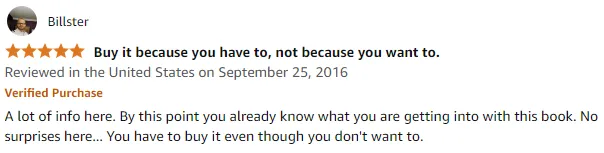
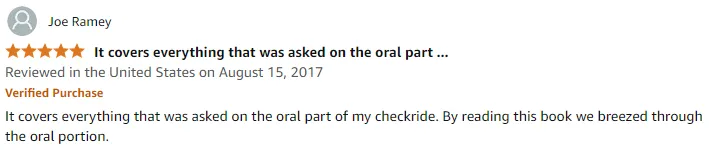
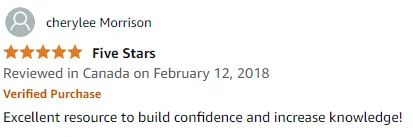
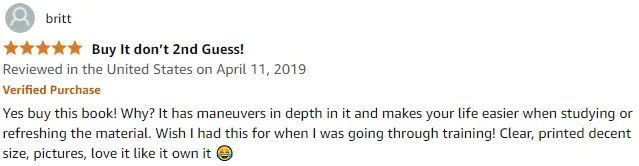
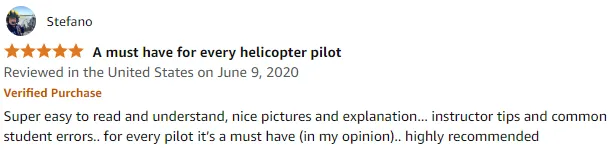
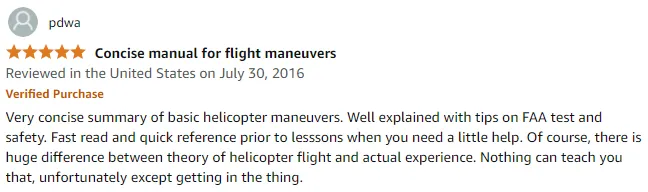
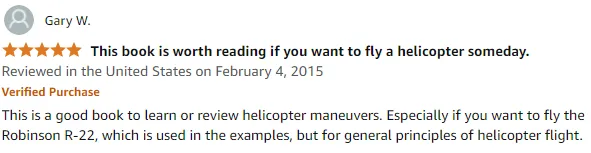
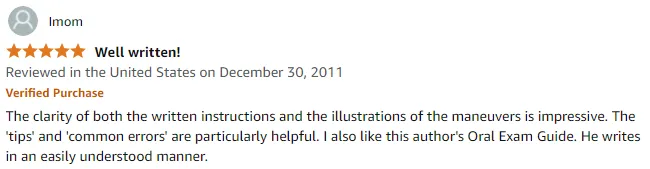
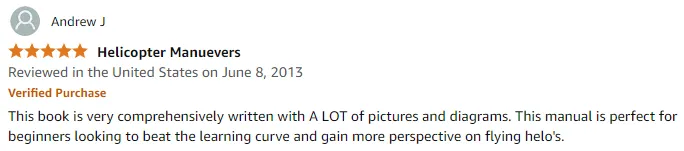
I'm Ryan Dale, author of the Helicopter Oral Exam Guide and the Helicopter Maneuvers Manual (ASA). I was a certified flight instructor for 20 years, including 4 years teaching Army 95-1 standards as an instructor pilot.
Under 20 minutes. No credit card. Just a clear picture of what the path actually looks like.
9 short videos, under 20 minutes total. You'll know exactly what's involved, what it costs, and what the FAA expects before you spend a dollar on flight training.
Start free →The 21-Day Private Pilot Course walks you through everything on the FAA private helicopter knowledge test and checkride: 550 lessons plus quizzes. Questions? Email me or hop on a quick call.
See the 21-Day Course →Not just ready to pass, ready to actually know your stuff. That's the difference between a student who guesses and a pilot who owns it.
Across flight training (student pilots overall, mostly airplane; no helicopter-specific rate has been published), the research is blunt:
of people who earn a student pilot certificate never go on to earn a pilot certificate.
AOPA, 2010of people who start flight training never finish, by AOPA's estimate.
AOPA, 2010 (estimate)Student pilots who quit rated test preparation and scheduling markedly lower than those who finished.
AOPA, 2010It's rarely a talent problem. In AOPA's survey, cost was the most-named frustration, but value and quality of instruction mattered more than price in whether student pilots quit. Showing up unprepared is what wears people down.
I built 3G Heli Prep to fix that. I personally spent $3,500+ on private ground school before I ever built a course. The 21-Day Course gives you the same knowledge for less than $1 a lesson: organized, plain-English, and built around how the FAA actually tests you.
Start Learning Free"Ryan has a way of explaining sometimes difficult concepts in a simple way by breaking them down, using analogies and humor."
Jordan T., Former Student
Sources: AOPA, The Flight Training Experience (APCO Insight for the AOPA Flight Training Student Retention Initiative), Oct 2010; AOPA Flight Training Summit report, Nov 2010.
No worries, we got you! We will walk you through the very basic steps all the way to your pilot certificate.
I've trained hundreds of students over my career and I'm excited to share with you what I know. If you want a head start, here's what I wish I knew before starting helicopter flight training.
Our Helicopter ground school covers a variety of subjects including:
Preparation for the FAA written exam involves studying the relevant materials, taking practice tests, and attending our ground school.
Utilizing online resources, study guides, and test prep books can also help solidify your knowledge. For a plain-English rundown of what the FAA actually tests, read Helicopter Pilot Ground School: What You Actually Need to Know.
Learning to fly a helicopter can be challenging due to the need to simultaneously control multiple inputs: the cyclic (stick), collective (lever), and anti-torque pedals.
I equate it to learning how to drive a manual transmission car while talking on a cell phone. I wouldn't expect my 15 year old son to learn that way, first I'll have him drive an automatic vehicle, with just the gas and the brakes. Then we'll work on turning and backing up, then we'll switch to a manual, then we'll add the cell phone... (ok not really but you get the idea).
Just like when you learned how to drive you first start out with a single control (usually the cyclic), then add in the other controls, then add in Radio calls.
It may seem overwhelming at first but in no time the helicopter will become an extension of you. Most students start in a Robinson R22, and it has a few quirks of its own: here's what every student needs to know about the R22.
Honest answer: it depends on the school, the aircraft and where you live, so get written quotes before you commit. For a sense of scale, my financing guide walks through how to fund a $70,000 to $90,000 program. Also budget for the costs nobody tells you about: headsets, medical exams, fuel surcharges, cancellation fees and checkride retests.
Don't let that number scare you off. Paying for flight school was one of the most expensive things I've done in my life, and in one of my Facebook polls over 48% of you said it was your biggest challenge too. There are more ways to pay than most people realize: loans that actually work, the GI Bill at Part 141 schools, and employer-sponsored training that's rarely advertised. Even Part 61 vs Part 141 changes the bill.
One of the easiest ways to save: show up to every lesson already knowing the ground school material, so you're not paying helicopter rates to learn it in the cockpit. And if you want the whole playbook on scholarships, loans and creative financing, I have a course for that.
It really depends on you. The quickest student that I've ever trained obtained their license in 28 days having never flown before.
On average it takes 3 months but it does depend on how much you study and how often you can fly.
Best advice, study for a minimum of 30 minutes every day and show up prepared for every lesson and you'll have done everything you can for success. Scheduling matters too, so ask about aircraft and instructor availability before you sign. Here are the questions to ask a helicopter flight school.
The career outlook for helicopter pilots is very positive, with strong demand projected over the next decade and beyond. Still deciding between rotor and wing? Here's a side-by-side of helicopter vs fixed-wing careers.
Here are the key points about the job outlook for helicopter pilots:
Coming out of the military? Here's the military-to-civilian transition roadmap.
The highest-paying jobs for helicopter pilots are:
It's worth noting that salaries can vary significantly based on factors such as location, experience, and employer. At the very top, the highest-paid 10% of commercial pilots earn more than $239,200 a year (BLS, May 2024).
To become a helicopter pilot:
Thinking about the Army route instead? Here's how to ace the SIFT test for Army WOFT.
Yes, we have a community for our students on Facebook where you can connect, share experiences, ask questions, and support each other.
You'll gain access as soon as you're a student in our course.
The '3G' comes from the term 'Give God the Glory' as a way to put God first in everything that I do. The 'Heli Prep' is just a fun way to say 'Helicopter Preparedness'. I built this company to honor God and to help people learn how to fly helicopters.
"For God so loved the world that he gave his one and only Son, that whoever believes in him shall not perish but have eternal life. For God did not send his Son into the world to condemn the world, but to save the world through him. Whoever believes in him is not condemned, but whoever does not believe stands condemned already because they have not believed in the name of God’s one and only Son." ~ John 3:16-18
The free Getting Started course is the right next move. Under 20 minutes, no credit card, and you'll leave with a clear picture of exactly what becoming a helicopter pilot takes.
Get the Free CoursePrepares you for your written test and your checkride oral: 550 lessons plus quizzes. 7-day money-back guarantee.
See the 21-Day Course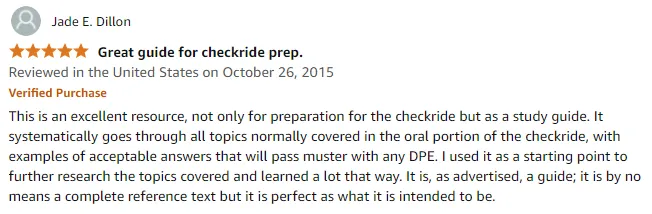



3G Heli Prep Copyright 2026